Halloween Sale
--
Days
--
Hours
--
Minutes
--
Seconds
Book a call
Halloween Sale
--
Days
--
Hours
--
Minutes
--
Seconds
Book a call

AI Training for Developers

Learn to Build, DeployAI Systems with LLMs

A 4-week live AI bootcamp for engineers who want to build repeatable workflows, reliable evals, and production-grade systems with LLMs at the core. No theory. No fluff. Just systems that hold up in production.

  • 4 weeks
  • Live, online (part-time)
  • 3 hours/week
Engineer building production AI systems with LLMs
$2,000 pilot price · was $4,000

4 weeks

Program duration

Live, online

Part-time format

3 hrs/week

Time commitment

$2,000

Pilot launch price

The state of AI in engineering

60-70%

of developers rely on AI-generated code they don't fully understand

<20%

have any form of evals or testing layer for AI outputs

4 weeks

of live, hands-on instruction built around real code

8

participants max per cohort for real feedback, not a webinar seat

3 hrs/week

part-time commitment designed for working engineers

Lifetime

access to templates, prompt libraries, and session recordings

Trusted by engineers from top companies

Google
Amazon
Microsoft
Meta
Netflix
IBM
Nike
eBay
McKinsey
Barclays
Commonwealth Bank
ConsenSys
Polygon
Binance
Coinbase
Algorand

The real problem

The gap isn't AI usage. It's reliability.

Developers are shipping AI without context, evals, and guardrails, which results in outages, bad code, and silent failures.

Developers who use AI like a vending machine become redundant. Developers who build systems with it become indispensable.

  • 60-70% of developers rely on AI-generated code they don't fully understand
  • Fewer than 20% have any evals or testing layer for AI outputs
  • AI can already generate junior-level code in seconds
  • The difference between redundant and indispensable is systems, not usage

Curriculum

Four modules. One production-grade AI system.

Module 01 of 04

Module 01: Foundations & AI Workflow Integration

  • How modern LLMs actually work and where they fail for engineering tasks
  • Moving from reactive prompting to structured prompts with role, context, and constraints
  • Integrating AI tools (Cursor, Copilot, Claude Code) into your daily workflow
  • Configuring repo-level AI context and rules for your codebase
  • Establishing prompt standards and reusable context files
  • Owning AI-generated code instead of becoming its reviewer

Outcomes

What you'll be able to do.

01

Stop shipping code you haven't fully read or don't fully own

02

Build prompts and workflows you can reuse and trust across your codebase

03

Add evals so you catch AI failures before they hit production

04

Use LLMs as a core part of your stack, not just autocomplete

05

Design structured prompts with role, context, and constraints

06

Build agents with scoped tools, guardrails, and rollback triggers

07

Configure repo-level AI context tailored to your codebase

08

Ship a production-ready internal AI tool by the end of the program

Tools & tech

The stack you'll master.

You'll work hands-on with the tools real engineering teams ship with, then wire them into workflows, evals, and MCP-connected agents you fully own.

CursorCursor
GitHub CopilotGitHub Copilot
Claude CodeClaude Code
ChatGPTChatGPT
Google GeminiGoogle Gemini
LovableLovable
ReplitReplit
WindsurfWindsurf
v0v0
CursorGitHub CopilotClaude CodeChatGPTGoogle GeminiGoogle AntigravityLovableReplitMCP (Model Context Protocol)Git & GitHubReactJavaScript

Who this is for

Strictly for working developers.

For professional developers who already write code for a living and want to stay ahead of the AI curve. Not for PMs, designers, non-coding founders, or beginners.

You should already ship code. This is a fast, senior-level program - we build on skills you already have.
  • Frontend, backend, fullstack, data, and DevOps engineers
  • Already using Cursor, Copilot, or Claude Code but want more value
  • Have shipped LLM-powered features with no testing framework
  • Want to build agents or MCP-connected tools safely
  • Mid-to-senior engineers staying ahead of the AI curve

Without vs with AI training

From reactive to designed.

The program moves you from reactive, unreliable AI use to designed, eval-backed systems where AI executes within constraints you set.

Without AI training
With AI training
Reactive prompting
Structured prompts with role, context, and constraints
AI writing code you don't own
You designing the system AI executes within
LLM features with no evals
Pipelines with test sets and scoring rules
Agents that go rogue
Agents with pre/post hooks, scoped tools, and rollback triggers
AI as a crutch
AI as a force multiplier on your judgment
Becoming the reviewer of AI output
Becoming the engineer who designed the system

What you walk away with

Tangible deliverables that stay yours.

Every participant ships reusable deliverables embedded in their actual workflow, all of which remain their property.

A Developer AI System: prompt standards, context rules, reusable workflows

A repo-level AI setup configured for your codebase

A multi-step LLM workflow with validation and checkpoints

An eval system with test cases and a reusable scoring harness

An agent with tools and guardrails built on MCP with scoped access

A pre-deployment reliability layer with rollout checklists

A shipped, production-ready internal AI tool

A documented Developer AI Standard with prompt versioning guidelines

How the program runs

Live, cohort-based, capped at 8 engineers.

Everyone gets real feedback, not a seat in a webinar. No upsells, no tiered access - everyone gets everything.

  • All 4 weeks of live instruction
  • Weekly office hours with structured Q&A and peer learning
  • Weekly assignment reviews with real expert feedback, not rubric-based
  • Live on-demand support for mid-week assistance
  • Final project build clinic with peer review
  • Lifetime access to templates, prompt libraries, and session recordings
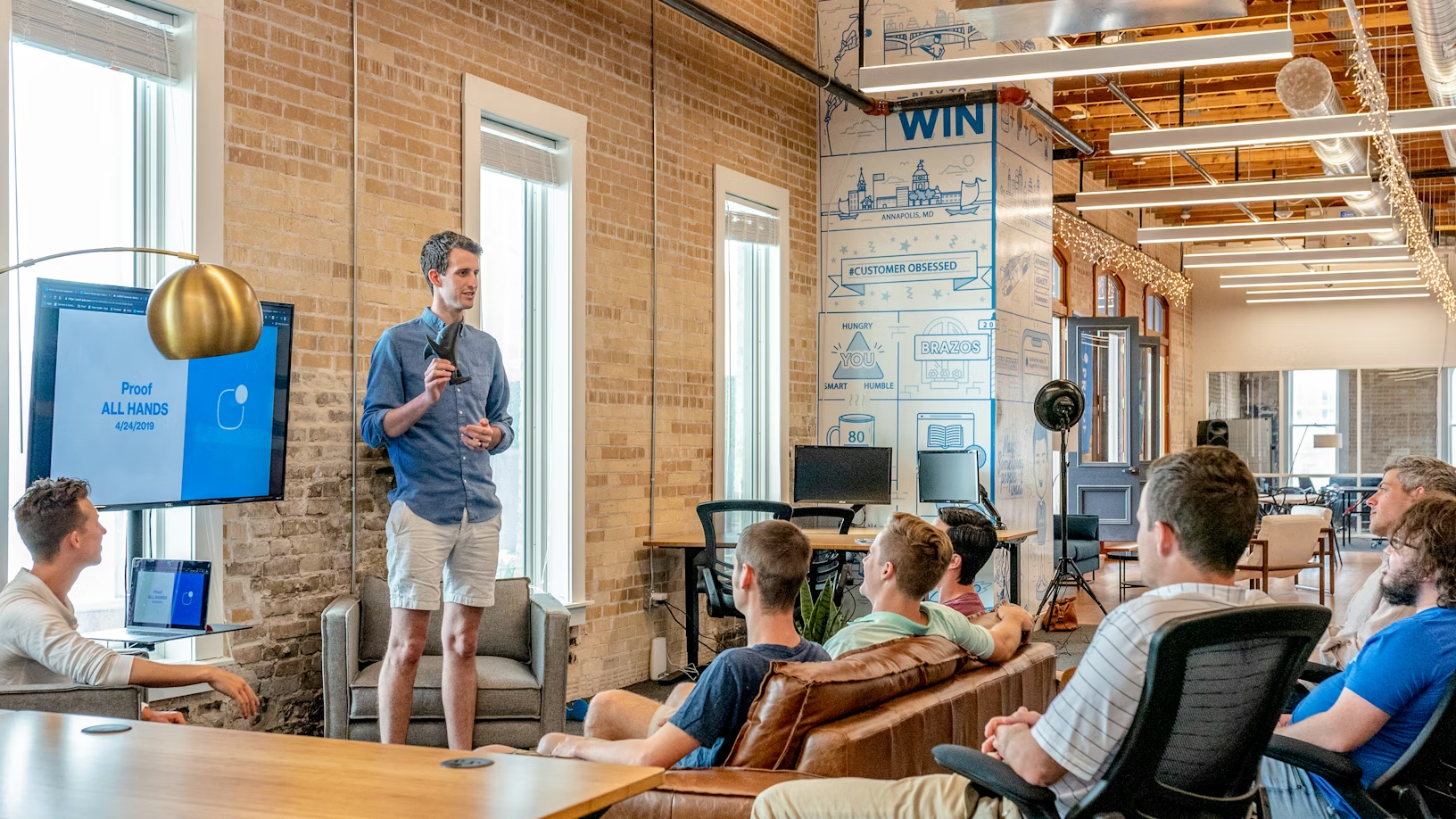
Engineers collaborating in a live AI cohort

Upcoming cohort starts

April 7, 2026May 5, 2026June 2, 2026

What engineers say

Systems that hold up in production.

"Metana's AI training changed how our whole team ships. We went from guessing whether AI output was safe to having evals that catch failures before they reach production."

Senior Engineer

Fintech team lead

"I already used Cursor and Copilot every day, but this was the first time I learned to build reusable workflows and guardrails around them instead of just prompting and hoping."

Fullstack Developer

SaaS startup

"The final build clinic alone was worth it. I shipped a production internal AI tool with real test cases and peer review, not a toy demo."

Backend Engineer

Enterprise platform team

Why Metana

A bootcamp engineers actually respect.

Participants come from leading technology, finance, and engineering organizations - Google, Amazon, Microsoft, Meta, Netflix, IBM, plus Web3 teams from ConsenSys, Polygon, Binance, Coinbase, and Algorand. Metana is recognized as a top coding bootcamp, named a Forbes Best Coding Bootcamp and featured on Course Report.

Forbes Best Coding BootcampForbes Best
Coding Bootcamp 2024
Career Karma featured bootcampFeatured on
Course Report
Company logo
Company logo
Company logo
Company logo
Company logo
Company logo
Company logo
Company logo
Company logo
Company logo
Company logo
Company logo
FAQ

Questions, answered.

AI Training for Engineers is Metana's 4-week live bootcamp for working software engineers who want to build reliable, production-grade AI systems instead of relying on autocomplete they don't fully understand — a problem that affects the 60-70% of developers who currently ship AI-generated code without fully reviewing it. The program runs across four modules: Foundations & AI Workflow Integration, where you move from reactive prompting to structured prompts with role, context, and constraints; LLM Workflows & System Design, covering multi-step workflows with validation checkpoints; Evaluation, Testing & Reliability, where you build a reusable eval harness, since fewer than 20% of teams currently have one; and Agents, MCP & Production Systems, where you build agents with scoped tools, guardrails, and rollback triggers. You finish having shipped a production-ready internal AI tool and documented a version-controlled Developer AI Standard. Every session is built around real code, not theory or toy demos.

This program is built for working software engineers — frontend, backend, fullstack, data, and DevOps engineers who already write code professionally. It's a strong fit if you're already using Cursor, GitHub Copilot, or Claude Code day to day but want to get more value out of them, if you've shipped LLM-powered features without any testing or eval framework behind them, or if you want to build agents and MCP-connected tools safely instead of experimenting directly in production. Most participants are mid-to-senior engineers who want to stay ahead of the AI curve rather than fall behind it. It is not designed for product managers, designers, non-coding founders, or complete beginners — the curriculum assumes you can already read and write production code, since every exercise is built around real repositories rather than toy examples. Cohorts are capped at 8 participants so the instructor can give direct, specific feedback on your actual code and workflow, not generic advice.

The program costs $2,000 as part of the current pilot launch pricing, down from the standard $4,000 rate. There are no upsells and no tiered access — every participant, regardless of when they enroll, gets the exact same package: all four weeks of live instruction across the Foundations, LLM Workflows, Evaluation, and Agents/MCP modules, weekly office hours with structured Q&A, weekly assignment reviews with real expert feedback rather than rubric-based grading, live on-demand support for mid-week questions, a final project build clinic with peer review, and lifetime access to every template, prompt library, and recorded session. Cohorts are intentionally capped at 8 participants, so the price also reflects direct, individualized feedback rather than a webinar-style seat. Because this is a professional-development investment rather than a full bootcamp, many participants expense it through their employer's learning and development budget.


The program is part-time and built for engineers who are already working full-time, at roughly 3 hours per week spread across live sessions, weekly office hours, and assignments. That's a deliberately light footprint compared to a full bootcamp — the curriculum is compressed into 4 weeks specifically so you can fit it around an existing job rather than pausing your career to attend. Every live session, office-hours block, and assignment review is recorded, so missing a live block because of a work conflict doesn't mean missing the content; you can catch up on your own schedule. All templates, prompt libraries, and recordings remain yours for life once the cohort ends, so the 3-hours-per-week figure covers the structured portion, not a hard ceiling — many participants revisit modules and materials well after the 4 weeks are over as they apply what they learned to new projects at work.

The curriculum is built around the tools engineers already use day to day — Cursor, GitHub Copilot, Claude Code, ChatGPT, and Google Gemini — plus MCP (Model Context Protocol) for connecting agents to real tools and data sources. Rather than a tool-by-tool tour, the program teaches transferable skills that apply across whichever of these you standardize on: structured prompt engineering with explicit role, context, and constraints instead of reactive one-off prompting; configuring repo-level AI context and rules so tools understand your actual codebase; building and running eval harnesses so you can measure whether AI output is actually reliable before it ships; and designing agents with scoped tool access, guardrails, and rollback triggers so they can't go rogue in production. You also work directly in Git and GitHub throughout, since every exercise is built around real version-controlled repositories rather than isolated snippets disconnected from how engineering teams actually ship software.

Most AI courses teach you what large language models are and how to write a better prompt. This program, built by Metana specifically for working engineers, teaches you how to integrate AI into real production workflows without creating review debt, silent failures, or incidents. The shift is structural, not cosmetic: instead of reactive prompting, you learn structured prompts with role, context, and constraints; instead of AI writing code you don't fully own, you design the system AI executes within; instead of shipping LLM features with no evals, you build pipelines with real test sets and scoring rules; and instead of agents that can go rogue, you build agents with pre- and post-hooks, scoped tools, and rollback triggers. Every concept was built around one question: does this make a real engineer meaningfully better at their job? You leave with a documented, version-controlled, eval-backed AI system embedded in your actual workflow, not a certificate and a list of prompts you'll forget in a month.

Yes, team enrollments are welcome, and they're actually one of the more common ways engineers go through the program — a manager or tech lead books a block of seats so the whole team learns the same structured workflow, prompt standards, and eval practices at once, rather than everyone picking up scattered habits independently. Cohorts are intentionally capped at 8 participants total, which keeps the instructor able to give direct feedback on every person's actual code and assignments instead of lecturing to a large room, so team enrollments are subject to available seats in a given cohort rather than guaranteed on demand. If you want your team to go through together, either in a shared cohort with other participants or, for larger groups, across a couple of consecutive cohort starts, reach out at info@metana.io and we'll work out scheduling, invoicing, and seat allocation directly with you.

Cohorts run monthly and are capped at 8 participants each, which is a deliberate constraint, not a marketing number — it's what makes weekly assignment reviews genuinely individualized instead of rubric-based, and it's why office hours function as real structured Q&A rather than a large webinar. Upcoming cohort start dates include April 7, May 5, and June 2, 2026, with each cohort running the full 4-week curriculum across Foundations & AI Workflow Integration, LLM Workflows & System Design, Evaluation, Testing & Reliability, and Agents, MCP & Production Systems. Because seats are limited to 8 per cohort and demand has been consistent since launch, earlier start dates tend to fill first. The best way to lock in a specific cohort is to book a call with a Metana advisor, who can confirm current availability across the upcoming dates and walk you through any pilot-pricing discount tied to booking a free 1:1 consultation.
Enrolling a team? Cohorts are capped at 8 for real feedback. Reach out at info@metana.io to arrange team enrollment.

Talk to a Metana expert

Book a call with a real engineer before the next cohort fills.

Speak with an advisor. We'll map the right program to your goals - and lock in your enrollment offer.

20% off enrollment offer
Limited-time Halloween promo

20% OFF - limited-time enrollment offer.

Applied automatically when you book a call before the timer hits zero.

--
Days
--
Hours
--
Minutes
--
Seconds
  • Guarantee: Job or 100% money back
  • Expert-curated curriculum
  • On-demand mentor support
Advisor Elena RodriguezAdvisor Sarah JenningsAdvisor David Chen
Real advisors · reply within 2 hours

Book your call

Free